

Why your back hurts during pregnancy and what you can do about it
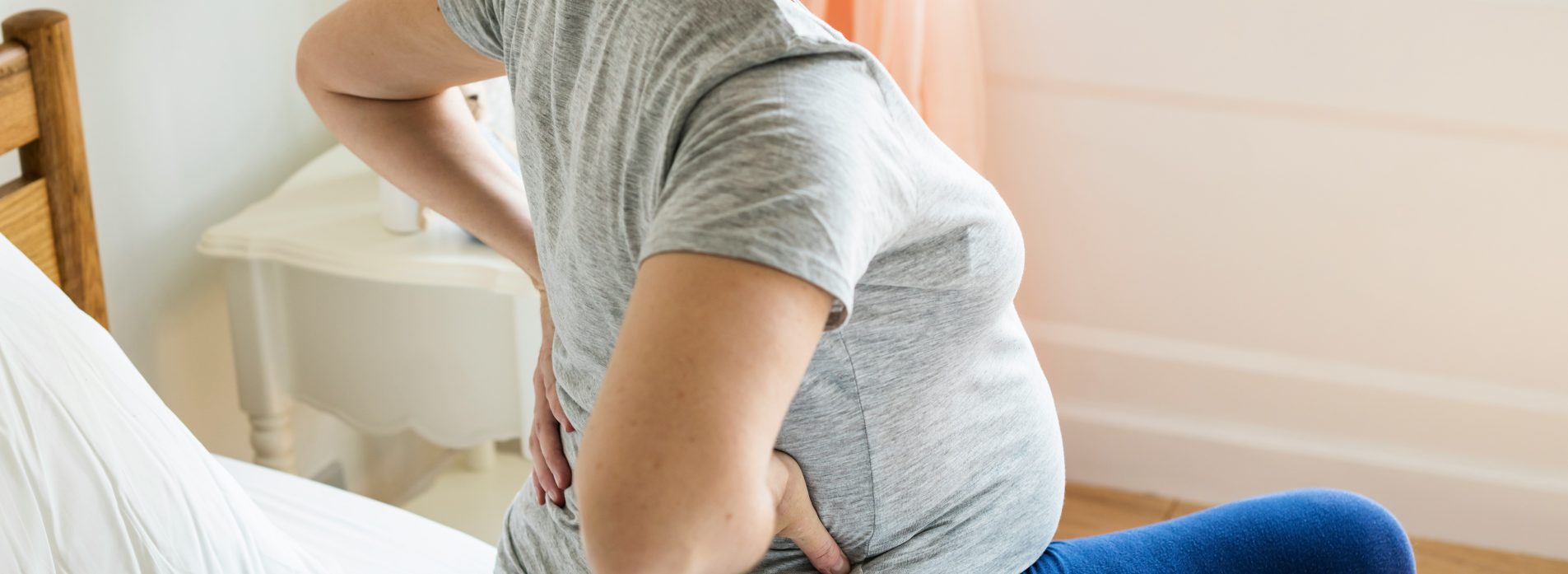
Back pain is one of the most talked about discomforts of pregnancy, and for good reason. As your body experiences change week by week, your spine, pelvis and surrounding muscles are working harder than ever to keep up. For some women, it’s a dull ache at the end of the day. For others, it can colour every part of the day, impeding sleep, work, and the everyday things they’d rather not have to think twice about.
The good news is that there’s usually a clear reason why it’s happening, and once you understand that, there’s quite a lot you can do about it. This article walks you through why pregnancy back pain is so common, what’s actually going on in your body, and the options available to help you feel more comfortable throughout your pregnancy.
Why does pregnancy cause back pain?
Back pain during pregnancy can have a few root causes that can overlap.
The most obvious shift is physical. As your bump grows, your centre of gravity moves forward, and your lower back has to work harder to compensate. Over time, this pulls the spine into an exaggerated curve. This puts pressure on the muscles and joints that support it.
At the same time, your body is producing a hormone called relaxin. Relaxin is designed to soften the ligaments around your pelvis to prepare your body for birth, but it often spreads beyond the pelvis too. It can sometimes affect ligaments throughout the spine too, which means the structures that normally hold everything in place have a little less tension in them than usual. That’s when the aches and pains tend to creep in.
This instability causes your posture to change. Many women find themselves unconsciously leaning back to balance the weight of their bump, which can compress the lower back further. Others notice tension creeping up the mid back and shoulders, particularly as the body adjusts to carrying extra weight at the front.
Understanding these changes can help you to identify the root of your pain and address how to relieve it.
When does it tend to start?
For most women, back pain starts to show up during the second trimester, usually around Week 18, though some notice it earlier. As the pregnancy progresses and the bump grows, it often becomes more noticeable.
Pain and discomfort can vary quite a bit from person to person. The two most common types are lower back pain and pelvic girdle pain. It’s worth knowing the difference between them.
Lower back pain tends to sit across the middle and lower part of the back. It often feels like a deep ache or stiffness, and it’s usually worse after prolonged periods of sitting, standing or physical activity.
Pelvic girdle pain is felt lower down around the pelvis, hips, and sometimes the inner thighs. The pain is often described as more sharp or stabbing, particularly when walking, climbing stairs, or turning over in bed. Some women describe a clicking or grinding sensation around the pelvis too.
It’s also fairly common to experience sciatica during pregnancy. This is where the sciatic nerve, which runs from the lower back down through the legs, becomes compressed or irritated. It tends to show up as a shooting or burning pain that travels down one or both legs, sometimes as far as the foot.
If any of these symptoms sound familiar, you’re far from alone, and most importantly, you don’t have to just put up with it.
Bad habits to avoid
Knowing what aggravates pregnancy back pain can be just as useful as knowing what causes it. A few everyday habits and situations tend to inflame discomfort more than you realise.
Prolonged sitting
Sitting for long stretches is a common culprit, particularly on chairs with low support. It encourages the lower back slump, which increases pressure on the spine. The same goes for standing in one position for too long, which tires out the muscles that keep you upright. (add a solution to this habit)
Poor footwear choices:
Shoes make more of a difference than people often realise. High heels push the pelvis forward and exaggerate the curve in the lower back, but completely flat shoes without any arch support can be just as problematic. Something with a low heel and good support tends to work best.
Sleeping with poor posture:
Sleeping becomes increasingly tricky as the bump grows. Lying on your back puts pressure on the major blood vessels running beneath the spine, and many women find it uncomfortable fairly quickly. Sleeping on your side with a pillow between your knees helps to keep the pelvis aligned and takes some strain off the lower back.
Lifting older children:
If you have older children, carrying them daily while pregnant can aggravate your back pain more than you think. Even picking up a toddler repeatedly throughout the day puts a significant amount of strain through the lower back and pelvis.
Small adjustments to these habits won’t solve everything, but they can take the edge off while you explore longer term support.
Seeking help from a chiropractor
If your pain is persistent, or getting in the way of daily life, it’s worth seeking some support from a professional.
Chiropractic care is a well-established option for pregnancy-related back pain. A chiropractor will look at how your pelvis and spine are moving and work to restore balance and reduce the strain that has built up as your body has changed. Treatment during pregnancy is adapted to be safe and comfortable at every stage, using gentler techniques and positioning that works around your bump.
Is chiropractic treatment safe during pregnancy?
Naturally, this is one of the first questions many women ask. The short answer is yes, chiropractic care is considered safe throughout pregnancy when carried out by a qualified practitioner.
Chiropractors who work with pregnant patients are trained to understand the specific physical changes that happen across each trimester, which means treatment is adapted to each stage in your pregnancy. As the bump grows, techniques are adjusted accordingly, and specialist equipment and positioning are used to make sure you’re comfortable throughout. There’s no heavy manipulation involved. The focus is on gentle, controlled movements that encourage the body back into better alignment.
If you have any concerns or a higher risk pregnancy, it’s always worth having a conversation with your midwife or GP, before starting any new treatment. A good chiropractor will always ask about your medical history and work alongside your wider care team where needed.
Finding the right support
Pregnancy is a lot for your body to take on, and back pain is one of the ways it lets you know it needs a little extra attention. The earlier you seek support, the more you can do to stay comfortable through each stage.
At Anglia Chiropractic, we work with women at all stages of pregnancy, tailoring each treatment plan to where you are and what your body needs. Whether that’s chiropractic care, k-laser treatment, or a combination or both, we’ll take the time to understand what’s going on before suggesting anything.
If you’ve been putting up with back pain and you’re ready to do something about it, we’d love to hear from you. Give us a call on 01603 414740 or request a call back via our online form.