

Do you need spinal imaging for back pain? Here’s what the evidence says.
Back pain has a way of making you want answers as quickly as possible, so it makes sense that spinal imaging feels like the obvious first step.
X-rays and MRIs in particular are mentioned a lot, with the idea that they’ll always deliver a clear picture of what’s going on. That’s not always the case. Both are brilliant in some scenarios, but not much help at all with others. Knowing the difference matters if you want the right treatment. Let’s look at what the evidence actually says, when imaging genuinely helps, and when they might not be the answer.
What spinal imaging can show you
Spinal imaging covers a few different tools, and the two you’ll come across most often are X-rays and MRIs. Each one is built to show something different.
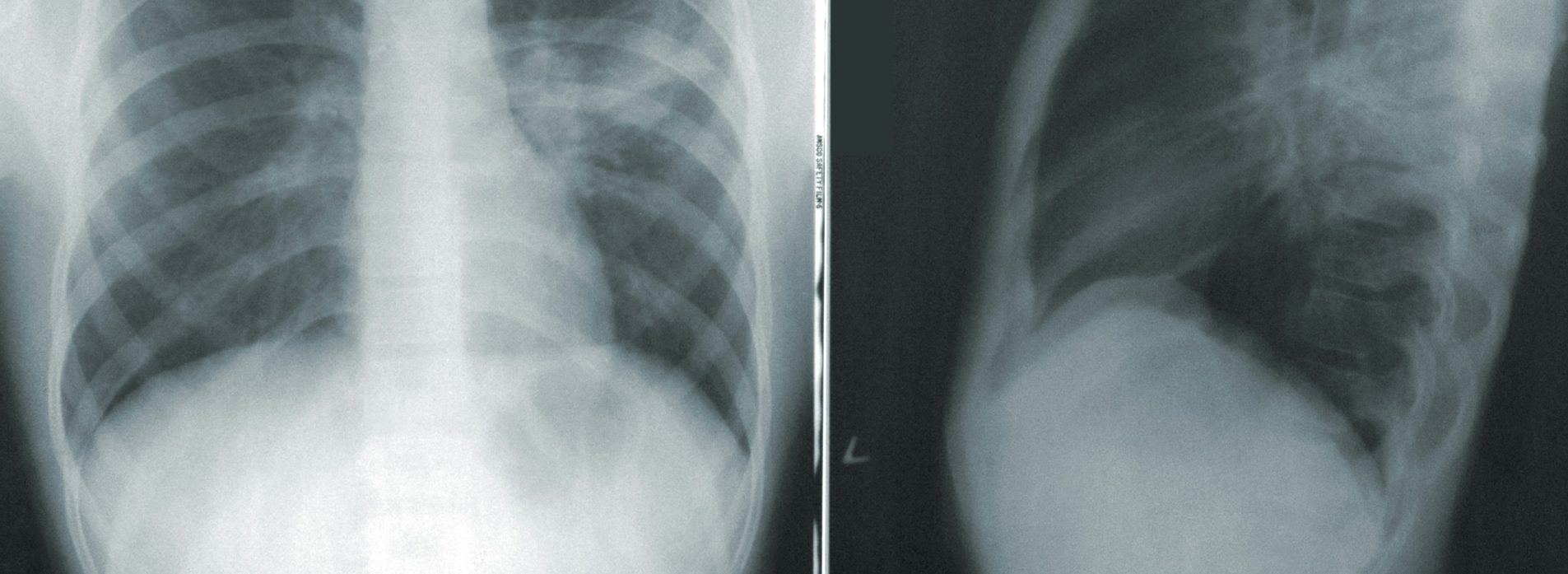
X-rays pick up dense material, which makes them the go-to for looking at bone. If something has changed in the structure of a bone, an X-ray will often catch it.
An X-ray tends to be best for diagnosing:
- Fractures, breaks and dislocations
- Structural changes to the bone
- Severity of osteoarthritis
- Determining whether surgery might be needed.
MRIs work differently, using magnets rather than radiation, and they’re much better at showing soft tissue, discs and nerve muscles. However, they’re rarely used for back pain unless other options have been exhausted.
Patients are often referred to an MRI to diagnose severe conditions, such as:
- Severe spinal disorders, such as tumours
- Serious nerve conditions
- Spinal infection
- Soft tissue damage after trauma.
If any of these conditions are suspected, imaging is the right call. It gives a clear picture of what’s happening inside your body; it’s not the first port of call for back pain. Before reaching for a scan, it’s worth trying hands-on treatment first, and understanding why that’s usually the better starting point.
Why imaging falls short for aches and pains
Most back and neck pain doesn’t come from something you can see on a scan. It comes from muscles, joints and nerves working out of sync. Unfortunately, a scan won’t tell you much about why you’re in pain.
This comes down to three key gaps:
A scan cannot show you how your body is moving, or how well it’s able to move. It only captures a still image, so it has nothing to say about stiffness, movement patterns, or how your spine behaves when you bend, twist or walk.
It also can’t tell you how much pain someone is in. Two people can have scans that look almost identical, and one may be feeling pain while the other feels completely fine. Pain simply doesn’t show up on imaging the way that a fracture does.
Nor can it give you any insight into how your pain will progress. Even if a scan picks something up, it won’t tell you whether the pain is likely to get better, get worse or stay the same. That takes an understanding of how you move and function day to day, not a picture of your spine at one moment in time.
This works both ways. Plenty of patients have scans that come back looking less than perfect, with wear and tear of minor disc changes, yet feel completely fine. Just as many are in real pain with a scan that looks entirely healthy. Age plays a part here too, as the sort of changes that show up on scans become more common the older we get, whether or not they’re actually causing any pain.
This doesn’t mean imaging isn’t useful. It simply means it’s an action to take later on in your treatment journey, if other approaches aren’t working well, or if you’re suspected of having a more severe condition.
To start with, it’s much more beneficial to have a full assessment of how your body moves and where it’s struggling. This gives a much more thorough analysis of the root cause of your discomfort, as opposed to a static scan that only tells part of the story.
Why some clinics reach for imaging anyway
If scans can’t show the full picture, it’s worth asking why they still get offered so often. A scan looks impressive. It’s a tangible, clear-looking result, which can make it feel like the most reassuring option to reach for.
The truth is, a scan is only genuinely useful when it will actually shape your treatment. A reputable clinic will recommend one on that basis alone, when there’s a clear reason to believe it will change the plan or confirm something specific. If it won’t make a difference to your treatment, there’s little point putting you through one.
This is really what separates good practice from guesswork. Imaging works best as a considered decision, not a default step, and a good clinic will always be able to explain exactly why a scan is being recommended in your case.
How Anglia Chiropractic decides if imaging is needed
At Anglia Chiropractic, every treatment plan starts with understanding you, not with a scan. Our chiropractors will review your history, symptoms, and how your body moves before deciding on next steps.
This hands-on assessment often tells them everything that they need to know. Imaging is only recommended when there’s a genuine reason for it, for example if trauma is suspected, or if symptoms suggest something more serious needs a closer look. When it’s needed, it’s used to confirm a clear next step, not a starting point.
Every person’s pain has its own root cause, and finding that cause takes time, experience, and a proper conversation, not just a picture of your spine.
The bottom line
X-rays and MRIs both have their place, but that place is narrower than most people expect. They’re brilliant for fractures, structural changes, nerve damage, and the more serious conditions that need closer inspection.
For everyday back and neck pain, the real answers usually come from a proper assessment of how your body moves, not a scan.
If you’re dealing with pain and wondering what’s really going on, the team at Anglia Chiropractic are always happy to talk it through. They’ll take the time to understand what’s really behind your discomfort, and recommend imaging only if and when it will genuinely help.
Send a callback request online, or give us a call on 01603 414740 to address your aches and pains with a dedicated, transparent treatment plan.